

Electromagnetic fields (EMFs) are a natural part of our environment, both from natural sources like the sun and human - made sources such as electrical power systems. In certain areas, especially those where electromagnetic sensitivity is a concern, the selection of electrical equipment becomes a crucial decision. As a supplier of 20kv Composite Post Insulator, we often receive inquiries about the suitability of our products in these electromagnetic - sensitive areas.
Understanding Electromagnetic - Sensitive Areas
Electromagnetic - sensitive areas are locations where the presence of electromagnetic fields can have a significant impact on the operation of equipment or the well - being of individuals. For example, in hospitals, EMFs can interfere with sensitive medical devices such as MRI machines, pacemakers, and other diagnostic equipment. In research laboratories, especially those conducting experiments in the field of electronics, quantum physics, or telecommunications, even the slightest electromagnetic interference (EMI) can disrupt the accuracy of results.

Another category of electromagnetic - sensitive areas includes residential areas where some individuals claim to experience electromagnetic hypersensitivity (EHS), a condition characterized by symptoms such as headaches, fatigue, and sleep disturbances they attribute to exposure to EMFs. Although the medical community has not fully recognized EHS as a distinct medical condition, minimizing EMF exposure in these areas is still a common concern.
How 20kV Composite Post Insulators Work
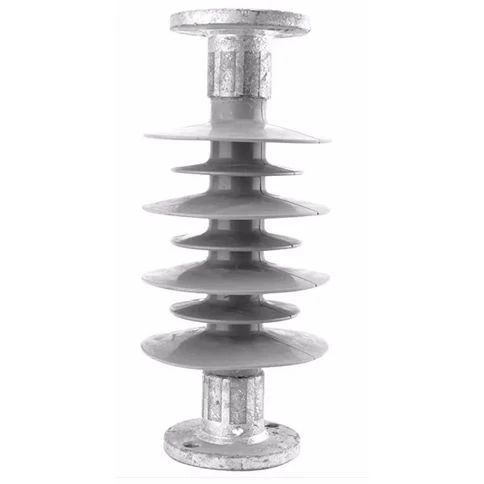
First, let's take a look at the basic functions and characteristics of 20kV composite post insulators. These insulators are primarily used in electrical power distribution systems to support conductors and isolate them from the ground or other conductive parts. They are made of a composite material, usually consisting of a fiberglass core and a silicone rubber housing.
The fiberglass core provides high mechanical strength, allowing the insulator to withstand the mechanical stress caused by wind, ice, and the weight of the conductors. The silicone rubber housing has excellent hydrophobic properties, which means it can repel water and resist the formation of conductive paths on the surface. This property is crucial for maintaining the electrical insulation performance of the insulator, especially in wet or polluted environments.
When it comes to electromagnetic aspects, composite post insulators do not generate electromagnetic fields on their own. They are passive components designed to provide electrical insulation. Their main function is to prevent the flow of electrical current between different parts of the power system, rather than interacting with electromagnetic fields in a significant way.
Potential Electromagnetic Interactions
However, in a power system, the presence of electrical current in the conductors supported by the 20kV composite post insulators will generate electromagnetic fields. The strength of these fields depends on several factors, including the magnitude of the current, the distance from the conductors, and the frequency of the electrical power.
In most cases, the electromagnetic fields generated by a 20kV power system are relatively weak compared to high - voltage transmission systems. The magnetic field strength (H) around a single - phase conductor can be calculated using Ampere's law. For a 20kV system, the typical current levels are much lower than those in 66kV or 110kV systems. For example, if we compare a 66kV Composite Post Insulator and a 110kV Composite Post Insulator used in higher - voltage transmission lines, the current in the 20kV system is proportionally lower according to the power formula (P = UI) (where (P) is power, (U) is voltage, and (I) is current). Assuming the same power transfer, a lower voltage system will have a higher current, but in practice, the power levels in 20kV distribution systems are usually much lower than those in high - voltage transmission systems.
The electric field strength (E) around the conductors is also affected by the voltage level. A 20kV system will have a lower electric field strength compared to 66kV or 110kV systems at the same distance from the conductors. The electric field distribution around the composite post insulators is mainly determined by the voltage distribution along the conductors and the geometry of the insulator itself.
Impact on Electromagnetic - Sensitive Areas
In electromagnetic - sensitive areas, the key concern is whether the electromagnetic fields generated by the 20kV power system with composite post insulators will cause interference. For most medical and research facilities, the electromagnetic fields from a 20kV distribution system are usually well below the interference levels that can affect sensitive equipment. However, proper shielding and grounding measures may still be required to ensure the reliability of the equipment.
In residential areas, the electromagnetic fields from a 20kV power system are also relatively low. The World Health Organization (WHO) has set guidelines for public exposure to electromagnetic fields. The magnetic and electric field levels from a 20kV system are generally within the limits recommended by the WHO, especially when considering the typical distances between the power lines and residential buildings.
Advantages of Using 20kV Composite Post Insulators in Electromagnetic - Sensitive Areas
There are several advantages to using 20kV composite post insulators in electromagnetic - sensitive areas. Firstly, as mentioned earlier, they are passive components that do not generate additional electromagnetic interference. Their design is focused on providing electrical insulation and mechanical support.
Secondly, composite post insulators have better performance in terms of pollution resistance compared to traditional porcelain insulators. In areas with high levels of pollution, porcelain insulators may develop conductive paths on their surface, which can lead to partial discharges. Partial discharges can generate electromagnetic noise, which may cause interference in electromagnetic - sensitive areas. Composite post insulators, with their hydrophobic silicone rubber housing, can effectively prevent the formation of conductive paths and reduce the risk of partial discharges.
Considerations for Installation
When installing 20kV composite post insulators in electromagnetic - sensitive areas, some additional considerations should be taken into account. The layout of the power system should be carefully planned to minimize the impact of electromagnetic fields on nearby sensitive equipment or areas. For example, the conductors should be placed as far away as possible from sensitive medical or research equipment.
Proper grounding is also essential. A good grounding system can help to dissipate any static charges and reduce the potential for electromagnetic interference. It is recommended to follow the relevant electrical installation standards and guidelines to ensure the safety and reliability of the power system.
Conclusion
In conclusion, a 20kV composite post insulator can generally be used in electromagnetic - sensitive areas. The electromagnetic fields generated by a 20kV power system with these insulators are usually within an acceptable range, especially when compared to higher - voltage systems. Additionally, the excellent insulation and pollution - resistance properties of composite post insulators make them a suitable choice for these areas.
If you are considering purchasing 20kV composite post insulators for your electromagnetic - sensitive area project, or if you have any further questions about the application of our products, we are more than happy to assist you in making an informed decision. Please contact us for more detailed information and to start a procurement discussion.
References
- World Health Organization, "Extremely Low Frequency Fields: Environmental Health Criteria 238", 2007.
- IEEE Std 383 - 2018, "IEEE Standard for Qualifying Class 1E Power, Control, and Instrumentation Cables for Nuclear Power Generating Stations - Type Testing", which provides some general guidelines on electrical insulation in power systems.
- International Electrotechnical Commission (IEC) standards related to composite insulators, such as IEC 61109, which cover the specifications and performance requirements for composite insulators used in electrical power systems.


