

Hey there! As a supplier of 10kv Composite Post Insulators, I've seen firsthand how various factors can impact these insulators. One of the most significant factors is wind load. In this blog, I'll break down how wind load affects a 10kv Composite Post Insulator and why it's crucial to understand this relationship.
What is Wind Load?
Wind load is basically the force exerted by the wind on a structure. It's not just a simple push; it can vary depending on the wind speed, direction, and the shape and size of the object it hits. For our 10kv Composite Post Insulators, wind load can cause a range of effects, from minor vibrations to more serious structural damage.
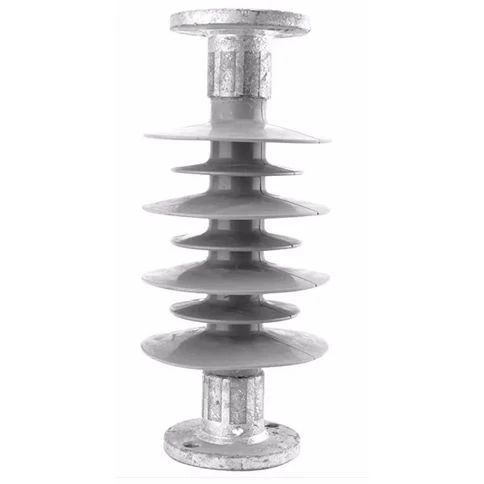

How Wind Load Affects 10kv Composite Post Insulators
1. Vibration
When the wind blows against the insulator, it can cause it to vibrate. These vibrations might seem harmless at first, but over time, they can lead to fatigue in the insulator's materials. The fiberglass core and the silicone rubber housing of the composite post insulator are both susceptible to this kind of fatigue. The constant back - and - forth movement can cause small cracks to form, which can then grow and compromise the insulator's integrity.
2. Bending
Strong winds can also cause the insulator to bend. The shape of the 10kv Composite Post Insulator makes it somewhat flexible, but there's a limit to how much it can bend. If the wind load is too high, the insulator might bend beyond its elastic limit. This can result in permanent deformation, which can affect the insulator's electrical performance. For example, a bent insulator might not maintain the proper clearance between conductive parts, increasing the risk of electrical arcing.
3. Shear Forces
Wind can create shear forces on the insulator. These forces act parallel to the surface of the insulator and can cause the different layers of the composite material to separate. In a 10kv Composite Post Insulator, the bond between the fiberglass core and the silicone rubber housing is crucial. If shear forces from the wind are too strong, this bond can be weakened, leading to delamination. Delamination not only reduces the mechanical strength of the insulator but also exposes the core to environmental factors, which can further degrade its performance.
4. Uplift
In some cases, wind can create an uplift force on the insulator. This is especially true if the wind hits the insulator at an angle or if there are sudden gusts. Uplift forces can try to pull the insulator out of its mounting. If the mounting is not strong enough to resist this uplift, the insulator can become loose or even fall off. This is a serious issue as it can lead to power outages and pose a safety hazard.
Factors Influencing the Impact of Wind Load
1. Wind Speed and Direction
Obviously, the higher the wind speed, the greater the wind load on the insulator. But the direction of the wind also matters. A head - on wind might cause more bending, while a side - on wind could create more shear forces. Sudden changes in wind direction, like those during a storm, can also be particularly damaging as the insulator has to quickly adjust to the new forces.
2. Insulator Design
The design of the 10kv Composite Post Insulator plays a big role in how it responds to wind load. Insulators with a streamlined shape are generally better at reducing wind resistance. The length and diameter of the insulator also matter. Longer insulators are more likely to experience bending, while wider insulators might be more affected by shear forces.
3. Mounting and Installation
Proper mounting and installation are crucial for withstanding wind load. If the insulator is not installed correctly, it might not be able to transfer the wind forces to the supporting structure effectively. For example, if the mounting bolts are not tightened properly, the insulator can move more freely under wind load, increasing the risk of damage.
Mitigating the Effects of Wind Load
1. Material Selection
Using high - quality materials is key. For the fiberglass core, choosing a material with high strength and good fatigue resistance can help the insulator withstand vibrations. The silicone rubber housing should also be of high quality, with good adhesion to the core to prevent delamination.
2. Design Optimization
Designing the insulator with wind load in mind can make a big difference. Engineers can use computer simulations to model how the insulator will respond to different wind conditions. This allows them to optimize the shape, length, and diameter of the insulator to reduce the impact of wind load.
3. Reinforcement
Adding reinforcement to the insulator can also help. For example, additional layers of fiberglass or other strengthening materials can be added to the core or the housing to increase the insulator's mechanical strength.
Our Offerings
As a supplier of 10kv Composite Post Insulators, we take all these factors into account when manufacturing our products. We use the latest materials and design techniques to ensure that our insulators can withstand even the toughest wind conditions. And if you're looking for other voltage levels, we also offer 220kv Composite Post Insulator and 363kv Composite Post Insulator and 20kv Composite Post Insulator.
If you're in the market for high - quality composite post insulators, we'd love to talk to you. Whether you're setting up a new power line or replacing old insulators, our team can help you find the right solution for your needs. Contact us to start a discussion about your requirements and how our products can meet them.
References
- "Composite Insulators: Materials, Design, and Application" by some well - known electrical engineering experts.
- Industry reports on the impact of environmental factors on electrical insulators.


