

Hey there! As a supplier of 66kv Composite Post Insulators, I've seen firsthand the challenges that radio interference can pose. It's a real pain in the neck, especially when it comes to ensuring the smooth operation of electrical systems. In this blog post, I'm going to share some tips on how to reduce radio interference of 66kv Composite Post Insulators.
Understanding Radio Interference
Before we dive into the solutions, let's first understand what radio interference is and how it affects 66kv Composite Post Insulators. Radio interference, also known as electromagnetic interference (EMI), is the disturbance that affects an electrical circuit due to either electromagnetic induction or electromagnetic radiation emitted from an external source. In the case of 66kv Composite Post Insulators, radio interference can cause signal degradation, noise, and even complete failure of communication systems.
There are several sources of radio interference, including power lines, electrical equipment, and natural phenomena such as lightning. When it comes to 66kv Composite Post Insulators, the main source of radio interference is the corona discharge that occurs on the surface of the insulator. Corona discharge is a phenomenon that occurs when the electric field strength around the insulator exceeds a certain threshold, causing the air molecules to ionize and form a conductive plasma. This plasma can emit electromagnetic radiation, which can interfere with radio signals.
Tips to Reduce Radio Interference
Now that we understand what radio interference is and how it affects 66kv Composite Post Insulators, let's look at some tips on how to reduce it.
1. Choose the Right Insulator Design
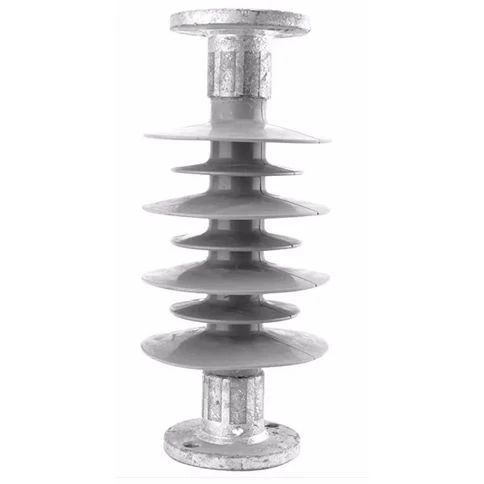
The design of the 66kv Composite Post Insulator plays a crucial role in reducing radio interference. Insulators with a smooth surface and a uniform electric field distribution are less likely to experience corona discharge, which can reduce radio interference. Additionally, insulators with a larger diameter and a longer creepage distance can also help to reduce corona discharge and radio interference.
2. Use Anti-Corona Rings
Anti-corona rings are devices that are installed on the top and bottom of the 66kv Composite Post Insulator to reduce corona discharge. These rings work by redistributing the electric field around the insulator, which can reduce the electric field strength and prevent corona discharge from occurring. Anti-corona rings are available in different sizes and shapes, and they can be customized to fit the specific requirements of your application.
3. Maintain the Insulator Properly
Proper maintenance of the 66kv Composite Post Insulator is essential to reduce radio interference. Insulators should be inspected regularly for signs of damage, such as cracks, chips, or contamination. Any damaged insulators should be replaced immediately to prevent corona discharge and radio interference. Additionally, insulators should be cleaned regularly to remove any dirt, dust, or other contaminants that can increase the electric field strength and cause corona discharge.
4. Ground the Insulator Properly
Proper grounding of the 66kv Composite Post Insulator is also important to reduce radio interference. Grounding helps to dissipate any electrical charges that may accumulate on the surface of the insulator, which can reduce the electric field strength and prevent corona discharge from occurring. Insulators should be grounded using a low-resistance grounding system that is designed to handle the electrical current that may flow through the insulator.
5. Use Shielding Materials
Shielding materials can be used to reduce radio interference by blocking the electromagnetic radiation that is emitted by the 66kv Composite Post Insulator. Shielding materials can be applied to the surface of the insulator or installed around the insulator to create a barrier between the insulator and the radio signals. Common shielding materials include metal foils, conductive paints, and electromagnetic shielding fabrics.
Other Considerations
In addition to the tips mentioned above, there are some other considerations that you should keep in mind when trying to reduce radio interference of 66kv Composite Post Insulators.
1. Environmental Factors
Environmental factors such as temperature, humidity, and pollution can also affect the performance of the 66kv Composite Post Insulator and increase the risk of radio interference. Insulators should be designed to withstand the environmental conditions in which they will be installed, and they should be tested to ensure that they meet the relevant standards and specifications.

2. Compatibility with Other Equipment
The 66kv Composite Post Insulator should be compatible with other equipment in the electrical system, such as power lines, transformers, and switchgear. Incompatible equipment can cause electrical problems, such as overvoltage, overcurrent, and short circuits, which can increase the risk of radio interference.
3. Compliance with Standards and Regulations
The 66kv Composite Post Insulator should comply with the relevant standards and regulations, such as IEC, IEEE, and ANSI. Compliance with these standards and regulations ensures that the insulator is safe, reliable, and performs as expected. Additionally, compliance with standards and regulations can also help to reduce the risk of radio interference and other electrical problems.
Conclusion
Reducing radio interference of 66kv Composite Post Insulators is essential to ensure the smooth operation of electrical systems and prevent signal degradation, noise, and other communication problems. By choosing the right insulator design, using anti-corona rings, maintaining the insulator properly, grounding the insulator properly, and using shielding materials, you can reduce the risk of radio interference and improve the performance of your electrical system.
If you're in the market for 66kv Composite Post Insulators or other types of insulators, such as the 126kv Composite Post Insulator, 110kv Composite Post Insulator, or 20kv Composite Post Insulator, please feel free to contact us. We're a leading supplier of high-quality insulators, and we're committed to providing our customers with the best products and services.
References
- "Electrical Insulators: Design, Testing, and Applications" by E. W. Kuffel, W. S. Zaengl, and J. Kuffel
- "Corona Discharge: Physics and Applications" by A. N. D'yachkov and V. P. Tarasenko
- "Electromagnetic Compatibility Engineering" by Henry W. Ott


