

What is the installation angle of a 20kv Composite Post Insulator?
As a supplier of 20kv Composite Post Insulators, I often receive inquiries from customers about the installation angle of these insulators. Understanding the correct installation angle is crucial for ensuring the optimal performance and safety of the electrical system. In this blog post, I will delve into the factors that influence the installation angle of a 20kv Composite Post Insulator and provide some practical guidelines.
Factors Influencing the Installation Angle
Electrical Performance
The primary function of a 20kv Composite Post Insulator is to provide electrical insulation between conductors and the supporting structure. The installation angle can affect the electrical performance of the insulator in several ways. For instance, if the insulator is installed at an angle that causes excessive stress on the insulation material, it may lead to premature aging and reduced insulation resistance. On the other hand, an appropriate installation angle can help to evenly distribute the electrical stress, thereby enhancing the overall electrical performance.
Mechanical Load
Another important factor to consider is the mechanical load that the insulator will be subjected to. In a power system, insulators are often exposed to various mechanical forces, such as wind, ice, and conductor tension. The installation angle can impact how these forces are distributed across the insulator. A well - chosen installation angle can ensure that the insulator can withstand the mechanical loads without suffering from damage or failure. For example, in areas with high wind speeds, a more vertical installation angle may be preferred to minimize the wind - induced bending stress on the insulator.
Environmental Conditions
Environmental factors also play a significant role in determining the installation angle. In regions with heavy pollution or high humidity, the installation angle can affect the self - cleaning ability of the insulator. A proper angle can allow rainwater to wash away contaminants more effectively, reducing the risk of flashover. Additionally, in areas prone to ice and snow, the angle can influence the accumulation of ice on the insulator surface. An angle that prevents excessive ice build - up can help to maintain the electrical and mechanical integrity of the insulator.
Recommended Installation Angles
In general, for a 20kv Composite Post Insulator, a vertical installation angle (0 degrees from the vertical) is often the most common and recommended choice. This is because a vertical installation provides the most uniform distribution of electrical stress and mechanical load. It also allows for the best self - cleaning effect in normal environmental conditions.
However, there are situations where a non - vertical installation angle may be necessary. In some cases, when the conductor layout requires it, the insulator may need to be installed at an angle of up to 15 degrees from the vertical. This slight deviation can be accommodated without significantly compromising the performance of the insulator, as long as proper engineering calculations and stress analyses are carried out.
When installing the insulator at an angle, it is essential to ensure that the mounting hardware is properly designed and installed to support the non - vertical load. Special attention should be paid to the connection between the insulator and the supporting structure to prevent any loosening or misalignment over time.
Comparing with Other Voltage - Class Insulators
It is interesting to note how the installation angle considerations may vary for different voltage - class insulators. For example, 50kv Composite Post Insulators often have more stringent requirements due to the higher electrical stress they are subjected to. In most cases, a very close - to - vertical installation is preferred to minimize the risk of electrical breakdown. Similarly, 35kv Composite Post Insulators also follow similar principles, but the allowable deviation from the vertical may be slightly larger compared to 50kv insulators.
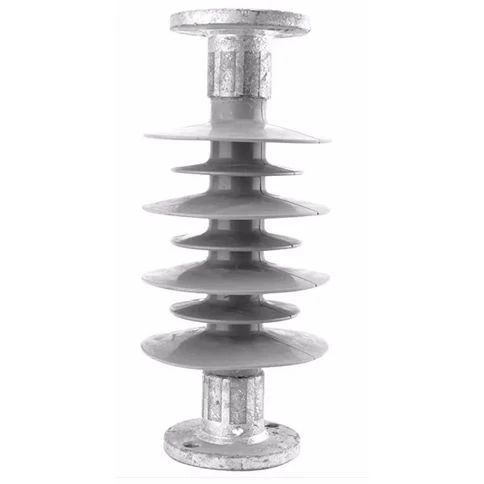

Our 20kv Composite Post Insulators are designed with high - quality materials and advanced manufacturing processes to ensure reliable performance regardless of the installation angle within the recommended range. We conduct extensive testing on our products to verify their electrical and mechanical properties under different installation conditions.
Installation Best Practices
Before installing a 20kv Composite Post Insulator, a detailed site survey should be conducted. This survey should include an assessment of the electrical system requirements, mechanical loads, and environmental conditions. Based on the survey results, a professional engineer should determine the most appropriate installation angle.
During the installation process, it is crucial to follow the manufacturer's instructions carefully. The mounting hardware should be tightened to the specified torque values to ensure a secure connection. After installation, a visual inspection should be carried out to check for any signs of damage or misalignment.
Conclusion
The installation angle of a 20kv Composite Post Insulator is a critical factor that can significantly impact its performance and longevity. While a vertical installation is generally recommended, there are circumstances where a non - vertical angle may be required. By considering the electrical performance, mechanical load, and environmental conditions, and following the best installation practices, we can ensure that the insulator operates safely and efficiently in the power system.
If you are in need of high - quality 20kv Composite Post Insulators or have any questions regarding their installation, our team of experts is ready to assist you. We are committed to providing you with the best products and technical support to meet your specific requirements. Contact us today to start a discussion about your procurement needs.
References
- IEEE Standards for Composite Insulators in Power Systems
- Manufacturer's Installation Guides for Composite Post Insulators
- Research Papers on Electrical Insulation and Power System Engineering


