

Insulation resistance is a crucial parameter when it comes to composite post insulators. As a supplier of composite post insulators, understanding the concept of insulation resistance is essential for both our customers and us. In this blog, we will delve into what insulation resistance is, why it matters for composite post insulators, and how it can impact the performance and safety of electrical systems.
What is Insulation Resistance?
Insulation resistance is a measure of the opposition to the flow of electric current through an insulating material. It is expressed in ohms and represents the ability of the insulator to prevent the leakage of current from the conductor to the surrounding environment. In the context of composite post insulators, insulation resistance is a key indicator of the insulator's quality and its ability to maintain electrical isolation.
When an electrical system is energized, there is always a small amount of current that leaks through the insulator. This leakage current is typically very small, but if the insulation resistance is too low, it can lead to excessive current leakage, which can cause overheating, electrical arcing, and even system failure. Therefore, maintaining a high insulation resistance is crucial for the safe and reliable operation of electrical systems.
Importance of Insulation Resistance in Composite Post Insulators
Composite post insulators are widely used in electrical power systems due to their excellent electrical and mechanical properties. They are made of a fiberglass core and a silicone rubber housing, which provides good insulation and protection against environmental factors. The insulation resistance of composite post insulators plays a vital role in ensuring the safety and reliability of electrical systems.
- Safety: A high insulation resistance helps to prevent electrical shocks and short circuits, which can pose a serious threat to the safety of personnel and equipment. By maintaining a high insulation resistance, composite post insulators can effectively isolate the electrical conductors from the surrounding environment, reducing the risk of electrical accidents.
- Reliability: Electrical systems rely on the proper functioning of insulators to maintain a stable and reliable power supply. A low insulation resistance can lead to increased current leakage, which can cause overheating and damage to the insulator. This can result in reduced performance and reliability of the electrical system, leading to power outages and costly repairs.
- Environmental Protection: Composite post insulators are designed to withstand harsh environmental conditions, such as high humidity, pollution, and temperature variations. A high insulation resistance helps to protect the insulator from the effects of environmental factors, ensuring its long-term performance and durability.
Factors Affecting Insulation Resistance
Several factors can affect the insulation resistance of composite post insulators. Understanding these factors is important for ensuring the proper selection and installation of insulators, as well as for monitoring their performance over time.
- Material Quality: The quality of the materials used in the manufacture of composite post insulators can have a significant impact on their insulation resistance. High-quality materials, such as high-grade fiberglass and silicone rubber, can provide better insulation properties and higher resistance to environmental factors.
- Surface Contamination: The surface of composite post insulators can become contaminated with dirt, dust, and other pollutants over time. This can reduce the insulation resistance of the insulator and increase the risk of electrical arcing. Regular cleaning and maintenance of the insulators can help to prevent surface contamination and maintain their insulation resistance.
- Environmental Conditions: Environmental factors, such as temperature, humidity, and pollution, can also affect the insulation resistance of composite post insulators. High temperatures can cause the insulation material to degrade, while high humidity can increase the conductivity of the surface of the insulator. Pollution can also reduce the insulation resistance by depositing conductive materials on the surface of the insulator.
- Installation and Maintenance: Proper installation and maintenance of composite post insulators are essential for ensuring their insulation resistance. Incorrect installation, such as improper tightening of bolts or incorrect alignment, can cause mechanical stress on the insulator, which can lead to a reduction in insulation resistance. Regular maintenance, including visual inspections and electrical testing, can help to detect and address any issues with the insulation resistance of the insulators.
Measuring Insulation Resistance
Measuring the insulation resistance of composite post insulators is an important part of ensuring their performance and safety. There are several methods for measuring insulation resistance, including the use of insulation resistance testers and megohmmeters.
- Insulation Resistance Testers: Insulation resistance testers are portable devices that are used to measure the insulation resistance of electrical equipment. They typically apply a test voltage to the insulator and measure the resulting current flow. The insulation resistance is then calculated based on the test voltage and the measured current.
- Megohmmeters: Megohmmeters are similar to insulation resistance testers, but they are designed to measure very high insulation resistances. They typically apply a higher test voltage than insulation resistance testers and can measure insulation resistances in the range of megohms or even gigohms.
Our Composite Post Insulators and Insulation Resistance
As a supplier of composite post insulators, we are committed to providing high-quality products that meet the highest standards of insulation resistance. Our composite post insulators are designed and manufactured using the latest technology and materials to ensure their excellent electrical and mechanical properties.
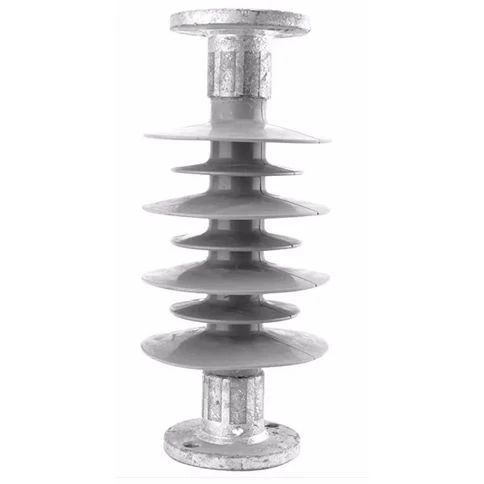

We offer a wide range of composite post insulators, including 363kv Composite Post Insulator, 20kv Composite Post Insulator, and 10kv Composite Post Insulator. These insulators are suitable for a variety of applications, including power transmission and distribution, substations, and industrial facilities.
Our composite post insulators are tested and certified to meet the relevant international standards, such as IEC and ANSI. We also conduct regular quality control checks to ensure that our products meet the highest standards of insulation resistance and performance.
Conclusion
Insulation resistance is a critical parameter for composite post insulators. It plays a vital role in ensuring the safety and reliability of electrical systems. By understanding the concept of insulation resistance, the factors that affect it, and the methods for measuring it, we can make informed decisions when selecting and installing composite post insulators.
As a supplier of composite post insulators, we are dedicated to providing our customers with high-quality products that meet their specific needs. If you are interested in purchasing composite post insulators or have any questions about insulation resistance, please feel free to contact us. We look forward to working with you to ensure the safe and reliable operation of your electrical systems.
References
- IEC 61109: Composite insulators for a.c. overhead lines with a nominal voltage greater than 1000 V.
- ANSI C29.18: Standard for Polymer-Housed Insulators for Overhead Transmission and Distribution Lines.


