

Composite post insulators are critical components in electrical power systems, playing a vital role in isolating electrical conductors and ensuring the safe and reliable operation of the grid. One of the key factors that significantly impacts the performance and lifespan of these insulators is the maximum operating temperature. In this blog, as a composite post insulator supplier, I will delve into the concept of the maximum operating temperature of composite post insulators, its significance, and the factors influencing it.
Understanding the Maximum Operating Temperature
The maximum operating temperature of composite post insulators refers to the highest temperature at which the insulator can operate continuously without experiencing significant degradation in its electrical and mechanical properties. This temperature limit is determined by the material properties of the insulator and the design considerations. Exceeding this temperature can lead to a variety of issues, including reduced insulation resistance, accelerated aging, and even mechanical failure.
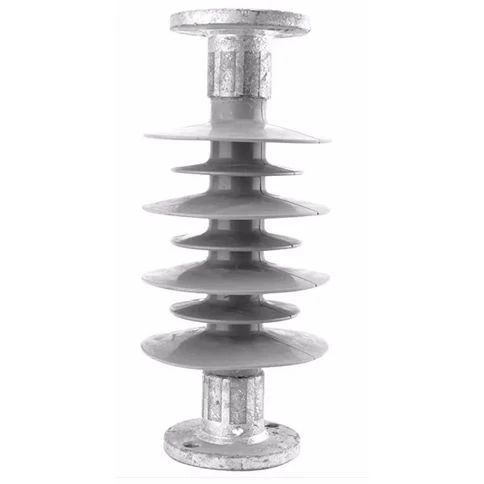
Composite post insulators are typically made of a combination of materials, such as fiberglass rods and silicone rubber sheds. Each material has its own temperature limitations. For example, the fiberglass rod provides mechanical strength, and its performance can be affected by high temperatures. Silicone rubber, on the other hand, is known for its excellent electrical insulation properties and weather resistance, but it also has a maximum temperature threshold beyond which its properties may deteriorate.
Significance of the Maximum Operating Temperature
The maximum operating temperature is of utmost importance for several reasons. Firstly, it directly affects the electrical performance of the insulator. As the temperature rises, the electrical conductivity of the insulator material may increase, leading to higher leakage currents. This can result in power losses and potentially cause electrical breakdown. Moreover, high temperatures can accelerate the aging process of the insulator, reducing its lifespan and increasing the risk of failure.
Secondly, the maximum operating temperature also impacts the mechanical properties of the insulator. Excessive heat can cause the materials to expand, leading to internal stresses and potential mechanical failures. For example, if the fiberglass rod expands more than the silicone rubber sheds, it can cause the sheds to detach from the rod, compromising the integrity of the insulator.
Factors Influencing the Maximum Operating Temperature
Several factors can influence the maximum operating temperature of composite post insulators. These include:

1. Material Properties
The type and quality of the materials used in the insulator play a crucial role in determining its maximum operating temperature. High-quality materials with excellent thermal stability can withstand higher temperatures without significant degradation. For example, some advanced silicone rubber formulations have a higher temperature resistance compared to standard ones.
2. Design Considerations
The design of the insulator, such as the shape and size of the sheds, can also affect its heat dissipation. Insulators with well-designed sheds can dissipate heat more effectively, reducing the temperature rise during operation. Additionally, the internal structure of the insulator, such as the arrangement of the fiberglass rod and the bonding between the different components, can impact its thermal performance.
3. Environmental Conditions
The operating environment of the insulator can have a significant impact on its temperature. Factors such as ambient temperature, solar radiation, and humidity can all contribute to the temperature rise of the insulator. For example, in hot and sunny regions, the insulator may be exposed to higher temperatures, requiring a higher maximum operating temperature rating.
4. Electrical Load
The electrical load carried by the insulator can also affect its temperature. Higher electrical loads result in more heat generation within the insulator, which can increase its temperature. Therefore, the maximum operating temperature should be determined based on the expected electrical load of the system.
Determining the Maximum Operating Temperature
The maximum operating temperature of composite post insulators is typically determined through a combination of laboratory testing and field experience. Laboratory tests can simulate different operating conditions and measure the performance of the insulator at various temperatures. These tests can provide valuable data on the electrical and mechanical properties of the insulator as a function of temperature.
Field experience also plays an important role in determining the maximum operating temperature. By monitoring the performance of insulators in real-world applications, suppliers can gather data on the actual operating temperatures and the long-term effects of temperature on the insulators. This information can be used to refine the maximum operating temperature ratings and ensure the reliability of the insulators.
Our Composite Post Insulators and Temperature Ratings
As a composite post insulator supplier, we offer a wide range of products with different temperature ratings to meet the diverse needs of our customers. Our 40.5kv Composite Post Insulator is designed to operate at a maximum temperature of [X] degrees Celsius, ensuring reliable performance in various electrical systems. Similarly, our 69kv Line Post Insulator and 20kv Composite Post Insulator are also engineered to withstand high temperatures and provide excellent insulation performance.
We use high-quality materials and advanced manufacturing processes to ensure the thermal stability and reliability of our insulators. Our products are rigorously tested to meet international standards and are backed by our commitment to quality and customer satisfaction.
Conclusion
The maximum operating temperature is a critical parameter for composite post insulators. Understanding this parameter and its influencing factors is essential for ensuring the safe and reliable operation of electrical power systems. As a composite post insulator supplier, we are committed to providing high-quality products with appropriate temperature ratings to meet the needs of our customers.
If you are in the market for composite post insulators or have any questions about our products, please feel free to contact us. We are here to help you find the right solution for your electrical insulation needs.
References
- [1] IEEE Standard for Composite Insulators for Overhead Transmission Lines
- [2] IEC 61109 - Composite Insulators for a.c. Overhead Lines with a Nominal Voltage Greater than 1000 V
- [3] Manufacturer's technical data sheets for composite post insulators


