

Hey there! As a supplier of 35kv Composite Post Insulators, I often get asked about the temperature range these insulators need to work properly. So, let's dive right into it and break down what temperatures these bad boys can handle.
Why Temperature Matters
First off, you might be wondering why temperature is such a big deal for insulators. Well, temperature can have a huge impact on the performance and lifespan of a 35kv Composite Post Insulator. Extreme heat can cause the materials to expand, which might lead to mechanical stress and even damage over time. On the other hand, extreme cold can make the materials brittle, reducing their flexibility and increasing the risk of cracking.
The Ideal Temperature Range
The sweet spot for a 35kv Composite Post Insulator to work its magic is typically between -40°C and 50°C. This range allows the insulator to maintain its electrical and mechanical properties, ensuring reliable performance in a variety of environments.
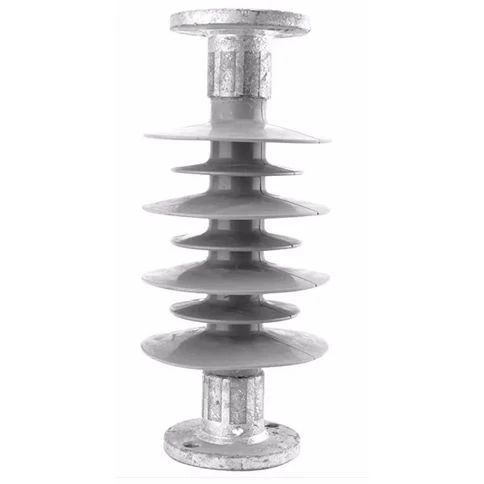
When the temperature is within this range, the composite materials that make up the insulator can function as designed. The silicone rubber housing, which provides excellent hydrophobicity and pollution resistance, remains flexible and can effectively repel water and contaminants. The fiberglass core, which provides mechanical strength, also maintains its integrity, preventing any structural failures.
Performance in High Temperatures
Let's talk about what happens when things heat up. In temperatures above 50°C, the performance of the 35kv Composite Post Insulator can start to degrade. The silicone rubber housing may become softer, which can reduce its hydrophobicity. This means that water and contaminants are more likely to stick to the surface of the insulator, increasing the risk of electrical flashovers.
Moreover, the increased temperature can also accelerate the aging process of the materials. Over time, this can lead to a decrease in the mechanical strength of the insulator, making it more susceptible to damage from mechanical stress, such as wind or vibration.
However, it's important to note that modern 35kv Composite Post Insulators are designed to withstand short-term exposure to higher temperatures. Many insulators are tested to ensure they can handle temperatures up to 70°C or even higher for brief periods without significant degradation.

Performance in Low Temperatures
Now, let's turn our attention to the cold. In temperatures below -40°C, the silicone rubber housing can become stiff and brittle. This reduces its ability to flex and adapt to changes in the environment, increasing the risk of cracking. Cracks in the housing can allow water and contaminants to penetrate the insulator, which can lead to electrical failures.
The fiberglass core can also be affected by low temperatures. The cold can cause the core to contract, which can create internal stress. If the stress is too great, it can lead to delamination or even breakage of the core, compromising the mechanical integrity of the insulator.
But again, manufacturers take these factors into account when designing 35kv Composite Post Insulators. Many insulators are engineered to maintain their performance in cold climates, with special formulations of silicone rubber and fiberglass that are more resistant to low temperatures.
Real-World Applications
35kv Composite Post Insulators are used in a wide range of applications, from power distribution networks to industrial facilities. In some regions, the temperature can vary significantly throughout the year, so it's crucial to choose an insulator that can handle these fluctuations.
For example, in desert regions, the temperature can soar during the day and drop significantly at night. A 35kv Composite Post Insulator that can operate effectively in both high and low temperatures is essential to ensure reliable power supply.
In cold climates, such as those found in northern regions, the insulator needs to be able to withstand freezing temperatures and harsh winter conditions. Our insulators are designed to meet these challenges, providing reliable performance even in the most extreme environments.
Comparing with Other Voltage Ratings
If you're also considering other voltage ratings, we've got you covered. We also offer 10kv Composite Post Insulator, 20kv Composite Post Insulator, and 110kv Composite Post Insulator. Each of these insulators has its own temperature range requirements, but they are all designed to provide reliable performance in a variety of environments.
Choosing the Right Insulator
When choosing a 35kv Composite Post Insulator, it's important to consider the temperature range of the environment where it will be installed. If you're operating in a region with extreme temperatures, you may need to choose an insulator that is specifically designed for those conditions.
At our company, we offer a range of 35kv Composite Post Insulators that are suitable for different temperature ranges. Our technical team can help you select the right insulator for your application, ensuring that you get the best performance and reliability.
Conclusion
In conclusion, the temperature range for a 35kv Composite Post Insulator to work properly is typically between -40°C and 50°C. However, modern insulators are designed to withstand short-term exposure to higher and lower temperatures. By understanding the impact of temperature on the performance of these insulators, you can make an informed decision when choosing the right product for your needs.
If you're interested in learning more about our 35kv Composite Post Insulators or have any questions about their temperature performance, feel free to reach out. We're here to help you find the perfect solution for your power distribution needs. Let's start a conversation and see how we can work together to ensure reliable and efficient power supply.
References
- IEEE Standard for Composite Insulators - Definitions, Test Methods, and Acceptance Criteria for AC Systems
- IEC 61109 - Composite Insulators for Overhead Lines with a Nominal Voltage Greater Than 1000 V
- Manufacturer's technical documentation for 35kv Composite Post Insulators


